

‘Environment’ Archives
Franchise 2025: Cartoons
Submitted by COMMUNITY POWER MN
Four Things to Know About the East Phillips Urban Farm Project this December
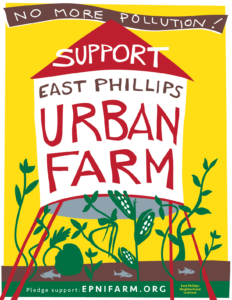
Meet EPNI at the alley’s celebration on December 5th to learn about the history and future of the Roof Depot siteDecember Community Meeting: Learn about rainwater recycling and help design a rainwater collection system for the Roof Depot site, details on EPNI’s calendar at epnifarm.org/events (rescheduled from November)EPNI has a weekly public Zoom call every Wednesday from 5-6pm - hope to see you there sometime! (See EPNI’s calendar for the Zoom link.)Check out the recently launched “View from the Future” poster series, made by local artists and East Phillip community members at epnifarm.org/artLearn more and get in touch online at linktr.ee/epnifarm
HERC Closer to Closing Down?
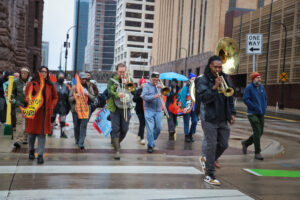
By ZERO BURN COALITION Brass Solidarity leading a march from the morning rally to the City Council meeting. SOURCE: Mallory Ferguson On November 7, 2024 Minneapolis Mayor Jacob Frey, joined by City Council Members, Representative Frank Hornstein, and local environmental advocates, signed a resolution urging the permanent closure of the Hennepin Energy Recovery Center (HERC) trash burner located in downtown Minneapolis by 2027. The resolution to close HERC unanimously passed the Minneapolis City Council a week prior, As part of its ambitious Zero Waste Plan, the City has set a goal to recycle or compost 80% of its waste by 2030. The HERC incinerator, which processes up to 1,000 tons of waste daily, is the largest industrial air polluter in Hennepin County. In recent years, it has faced increasing scrutiny from community and environmental justice groups for its disproportionate impact on nearby low-income neighborhoods and communities of color. Only 22% of what is burned at [...]