



By ATLAS OF BLACKNESS
Last month, Atlas of Blackness presented “What We Carry” at the John and Denise Graves Foundation’s Creating Change Gallery, an intimate exhibition featuring the 2024 Black Scholar Fellows. Over many months, these young storytellers, artists, and cultural workers traced the emotional, structural, and historical forces that shape Black life in the Twin Cities. Their work examines the weight held in our bodies and families, the memories our cities ask us to carry, and the moments that refuse silence. Centering Black mental health, the complexities of Black motherhood, the long shadow of loss, and the quiet transformations that make survival possible, this exhibition insists that these experiences are not marginal or private. They are primary sites of knowledge and power, especially for women, nonbinary people, and Black youth coming of age in an uncertain time. Curated by Lucina Kayee and Patience Zalanga, “What We Carry” honors the depth of their stories and the communities that shaped them.
What the artists hold
Working across photography, painting, and oral storytelling, each artist offers a body of work that pushes against dominant narratives about Black life. Their projects emerge from lived experience, research, and the emotional terrain they have learned to navigate. Together, these works reveal how Black youth are routinely expected to carry pain, responsibility, and resilience without recognition or reprieve. Each project enters the world as an offering, a way of being seen, felt, and understood.
Memory made public
What We Carry asks what becomes possible when the silence of private memory enters public space. The exhibition challenges institutional habits that have rendered Black emotion and trauma illegible or invisible, and it positions storytelling as resistance, as inquiry, and art as a practice of repair.
A living conversation
Though each project speaks from a distinct vantage point, the works remain in conversation with one another. Together, they create a shared space where grief is tended to, truth is protected, and survival functions as both a felt reality and a way of thinking about the world.
Unresolved invitations
This exhibition does not seek closure but invites visitors to move slowly, listen closely, and recognize that every image, word, and sound belongs to a larger story that stretches across generations and geographies; carries grief, transformation, and return; and reminds us that we are always becoming and always beginning again.
The following artist bios have been abbreviated for this article.
Saint Grim
Research and Film Fellow
Project Title: The Intricacies of Saint Grim
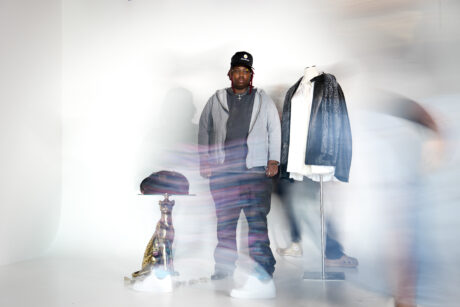
Saint Grim is a Minneapolis-based artist and producer whose work examines mental health, identity, and the realities of being a young Black creative navigating emotional intensity in both public and private life. The Intricacies of Saint Grim is a nonlinear study of emotional fluctuation. Rather than presenting mental illness through static or diagnostic imagery, this project creates visual metaphors for the inner cycles of overwhelm, hyperproductivity, stillness, and disorientation. Saint’s lived experience deeply informs this work. It refuses the impulse to flatten mental illness into a singular narrative. Saint’s images resist resolution. They hold emotion as an open process, inviting the viewer to witness without needing to fix what they see.
Naomi Gbor
Research and Film Fellow
Project Title: How Death Teaches You How to Live
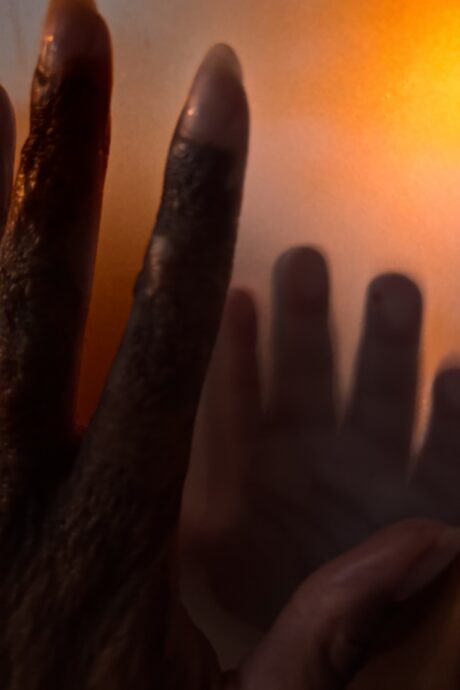
Naomi Gbor is a multidisciplinary artist whose creative work investigates themes of death, rebirth, transformation, and spiritual inquiry. Her project, How Death Teaches You How to Live, considers death as more than an endpoint. It becomes a process, a guide, and in many ways, a mirror. Naomi’s work does not only address physical death. It looks closely at emotional and psychological forms of dying: identity loss, estrangement, displacement, and the quiet endings that come with growth and change. Each composition feels like an altar to a past self or an offering to what must be released. What are the parts of ourselves we have outgrown? What grief still lives in our bodies? What does it mean to begin again?
Majah Barnes
Research and Film Fellow
Project Title: Nothing Was Ever the Same
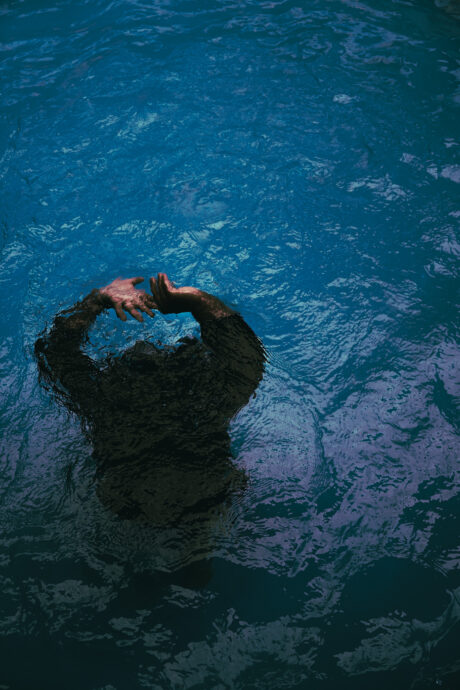
Majah Barnes is a storyteller with a foundation in writing, photography, and digital art. A Minnesota native with roots in Liberia and Nebraska, she builds her visual practice by examining how Black women carry their stories, especially in environments that demand silence. In her project Nothing Was Ever the Same, Majah investigates postpartum depression and psychosis by centering her own experience of Black motherhood. Majah confronts the myth of the strong Black mother by showing what that strength can cost. She invites viewers to see postpartum illness not as weakness but as a reality shaped by structural neglect, cultural silence, and personal survival.