



Celebrating the long path to equality
Compiled by GOOGLE AND AI
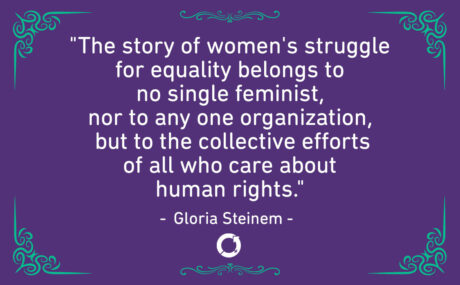
1848 – Seneca Falls Convention: Organized by Elizabeth Cady Stanton and Lucretia Mott, this was the first women’s rights convention, initiating the organized movement.
1848 – Property Rights: Mississippi passes the Married Women’s Property Act, granting women, for the first time, some control over their property.
1911 – First International Women’s Day: Celebrated on March 19, recognizing women’s rights in several European countries.
1913 – Woman Suffrage Parade: Over 5,000 women march in Washington, D.C. for the right to vote.
1920 – 19th Amendment Ratified: Women gain the constitutional right to vote in the United States.
1923 – Equal Rights Amendment (ERA) Drafted: Alice Paul drafts the ERA, aimed at guaranteeing legal gender equality.
1963 – The Feminine Mystique: Betty Friedan publishes the book, sparking the second-wave feminist movement.
1963 – Equal Pay Act: Congress passes legislation prohibiting sex-based wage discrimination.
1964 – Civil Rights Act (Title VII): Prohibits employment discrimination based on sex, race, color, religion, or national origin.
1966 – NOW Formed: The National Organization for Women is founded to advance women’s equality.
1972 – Title IX: Education Amendments are signed into law, guaranteeing equal access to higher education and sports.
1973 – Roe v. Wade: The Supreme Court affirms a woman’s constitutional right to an abortion.
1974: The Equal Credit Opportunity Act passed, prohibiting discrimination based on sex or marital status, allowing women to secure credit cards and loans without a male co-signer.
1981 – First Woman on Supreme Court: Sandra Day O’Connor is sworn in.
1994 – Violence Against Women Act (VAWA): Provides federal resources to combat domestic violence and sexual assault.
2021 – First Woman Vice President: Kamala Harris is sworn in, marking a milestone in political representation.