News & Views of Phillips Since 1976
Saturday February 14th 2026






Amen Corner First Anniversary Photo Review
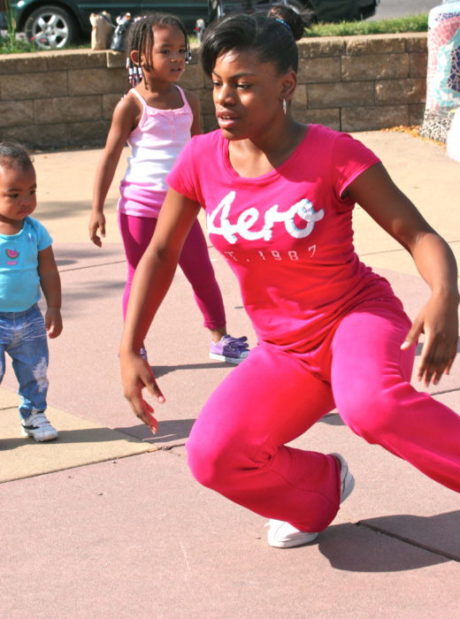
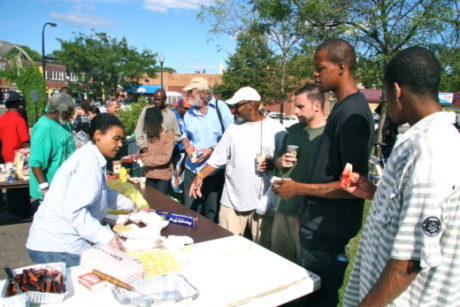
These August 9th and 10th photos are from the First Anniversary of employing the “Amen Corner” phenomenon at Touchstone Plaza at Franklin and Chicago Avenues
The “Amen Corner” name & phenomenon featuring people who had to confront and act on truths they discovered about themselves comes from “Amen Corner” a play by James Baldwin.





Related Images:
Tyler Perry”'s Madea”'s Witness Protection & The Dark Knight Rises

By Howard McQuitter
Tyler Perry”'s Madea”'s Witness Protection (2012)
*
Lionsgate Films, Comedy
Cast: Tyler Perry (Madea/Joel/Brian), Eugene Levy (George Neeedleman), Denise Richards (Kate Needleman), Doris Roberts (Barbara), Percy Romeo Miller(Jake), Devan Leos (Howie). (PG-13) Running time: 114 minutes. Director: Tyler Perry.Â
Tyler Perry does it again: Madea (Tyler Perry) in wig, fat suit and a dress at his usual antics now have cloyed. That doesn”'t seem to bother Perry for he”'s made his money off of a bad movie. Besides a few laughs, “Witness Protection” is cumbersome, nonsensical and half-hearted; putting an unenthusiastic red mark on Perry”'s franchise.
Eugene Levy plays character George Needleman, big man of a financial fund, that”'s been running a Ponzi scheme which other company bosses want to put all the blame in George”'s lap. To avoid scandals and reprisals while investigating the fraud, Brian (Tyler Perry) convinces his Aunt Madea to take in the white family–George, his wife Kate(Denise Richards), son Jake (Percy Romeo Miller) and conceited daughter Cindy (Danielle Campbell) under witness protection.
I”'ve been inclined to cling somewhat to some of Tyler Perry”'s movies for–if for no other reason–they epitomize ethnic/racial themes, but “Witness Protection” is probably his sloppiest work. I hate to think Perry has hit bottom with lousy movies; but he may have hit bottom with “Witness Protection”.… Read the rest “Tyler Perry”'s Madea”'s Witness Protection & The Dark Knight Rises”
MICAH”'s Housing Advocacy Helps Everyone Help MICAH at October 14 Fund Raiser
By Donna Neste
MICAH an inter-faith organization advocates for the homeless; focusing on state and local policy for low-income people to afford rental housing.
MICAH worked behind the scenes with lawmakers toward Mpls”' housing fund increases and state adoption of $35 million bonding for affordable housing.
MICAH constantly must seek funding. You can contribute and be entertained at their annual fund-raiser. For $30 you will be entertained with jazz, the spoken word, food and some inspiring words from Council member Gary Schiff. Sun. Oct. 14th, 1:30-3:00 p.m.; Capri Theater, 2027 ay Ave. N., Mpls. Order your tickets www.micah.org or Jodi -MICAH 651-646-0612
Related Images:


Keep citizen journalism alive!