





‘Tales from Pioneers & Soldiers Cemetery’ Archives
“Mother” St. James Congregation endears Church to preserve stories
The building where St. James”' members worship today is 60 years old; it is a modest and beautiful church that is lovingly maintained. It was designed by architect Irwin H. Kilstofte and constructed at its current location in 1959. On February 27, 2018, the Heritage Preservation Commission voted unanimously to approve that request. One questions was: “Is it about the people or is it about the building?” It”'s an interesting question and one where the answer does not have to be “either/or” but can be “both/and.” | Courtesy Mpls. Community Planning and Economic Development By SUE HUNTER WEIR In April 2017, Reverend Michael Gonzales submitted an application to the City of Minneapolis requesting that St. James A. M. E. Church (located at 3600 Snelling Avenue) be considered for landmark status. The request was an expression of the congregation”'s love for their church and their desire to preserve the work and stories of the [...]
Preservation group pressures City and State rescue
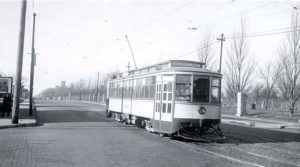
COURTESY MINNESOTA HISTORICAL SOCIETY | The fence in the background is the fence surrounding the old trolley barns on 21st and Lake. Notice the dirt roads for maintenance carts and, in their day, the old horse-drawn hearses. After 7,000 bodies were exhumed and moved from disheveled cemetery By SUE HUNTER WEIR 154th in a Series In April 1919, the Minneapolis City Council voted to close Layman”'s Cemetery to future burials. What followed was the most chaotic period in the cemetery”'s history. It was a time when tall tales and extravagant claims were picked up and repeated in the newspapers. It was a time when the editorial pages of the local newspapers published dozens of letters from citizens arguing in favor of protecting the cemetery and from those who argued that the land should be cleared for commercial development or for recreational uses. (more…)
Minneapolis Tribune (March 9, 1876): Erick Wellson”'s murdered remains “skillfully butchered.”
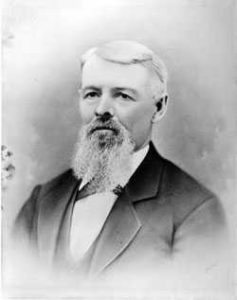
Martin G. Farmer, Cemetery Owner, and Cemetery Sexton, We don”'t often associate cemeteries with political movements, but the connection between Minneapolis Pioneers and Soldiers Memorial Cemetery and the anti-slavery movement is undeniable. Farmers Martin and Elizabeth Layman came to Minneapolis in 1853. Like many early Minnesotans, they were born in New York and made their way west in stages””in their case, by way of Peoria County, Illinois. They bought land at what later became the corner of Cedar Avenue and Lake Street in South Minneapolis. The Laymans seem to have gotten into the cemetery business by happenstance when, soon after they arrived, a Baptist pastor asked to bury his infant son, Carlton Cressey (or Cressy), on their land.The cemetery was founded in 1853 by Martin and Elizabeth Layman who were among the earliest members of the First Baptist Church. The Layman family”'s association with the Baptist church may explain why their privately-owned cemetery [...]