News & Views of Phillips Since 1976
Saturday April 4th 2026




Top Stories
OUR VISION IS CLEAR.
Written by the alley on 04 February 2026
January 25, 2026. The horror of the killings of Renee Nicole Macklin Good and Alex Jeffrey Pretti, the abductions of community members, including children, and the incitement of hate targeting ethnic, racial and cultural groups that are part of the fabric of our country, has rained trauma and fear on Minneapolis; on the whole state. Our city, our state, our country, even our world have sent an outpouring of solidarity, calls for justice and peace. We dedicate this issue to the victims of federal violence, their loved ones, and to the thousands of Minnesotans who showed up to offer support and kindness.
In the age of easily manipulatable ‘truths’ we will be witnesses. We are carrying out the beautiful visions for our communities now, in the middle of horror. We will see with our own eyes on our own streets exactly what is happening. We have no figureheads but we carry the same vision in our souls and that is how we organically show up, like sunflowers turning to the light.
Related Images:
2020 Vision
Written by the alley on 04 February 2026
Plagued by uncertainty and stress? It’s our never-ending story.
When will l gather with my community in joy instead of fear? I’m constantly anxious and questioning who will still be here.
“Be palatable or the token to survive” seems like nothing about this lived-experience is fair.
Though some are blinded by greed and hatred while others are naive; I, however, still see it clear.
Even when they question the validity of my citizenship, I still see it clear.
As I deal with the everlasting trauma that comes with being unequivocally Black… I still see it clear.
Through all of their cruel and divisive tactics, I still see it clear.
How could I not? How could I ever lose focus or get distracted when society generously reminds us of their hatred for our complexion?
I’m tired of drowning in oppression and fear.
For once, I’d love to float effortlessly and enjoy the stillness of life. But instead, I’m trapped in the current; while still trying to see it clear.
One day I’ll make it to land: a place that’s grounding and safe for us.
And I know through hope, my vision will guide me there.
-D’Gartaye
Related Images:
Community Safety Alert Issued Regarding Out-of-State “Treatment” Transfers
Written by the alley on 04 February 2026
By THE MINNESOTA INDIAN WOMEN’S RESOURCE CENTER
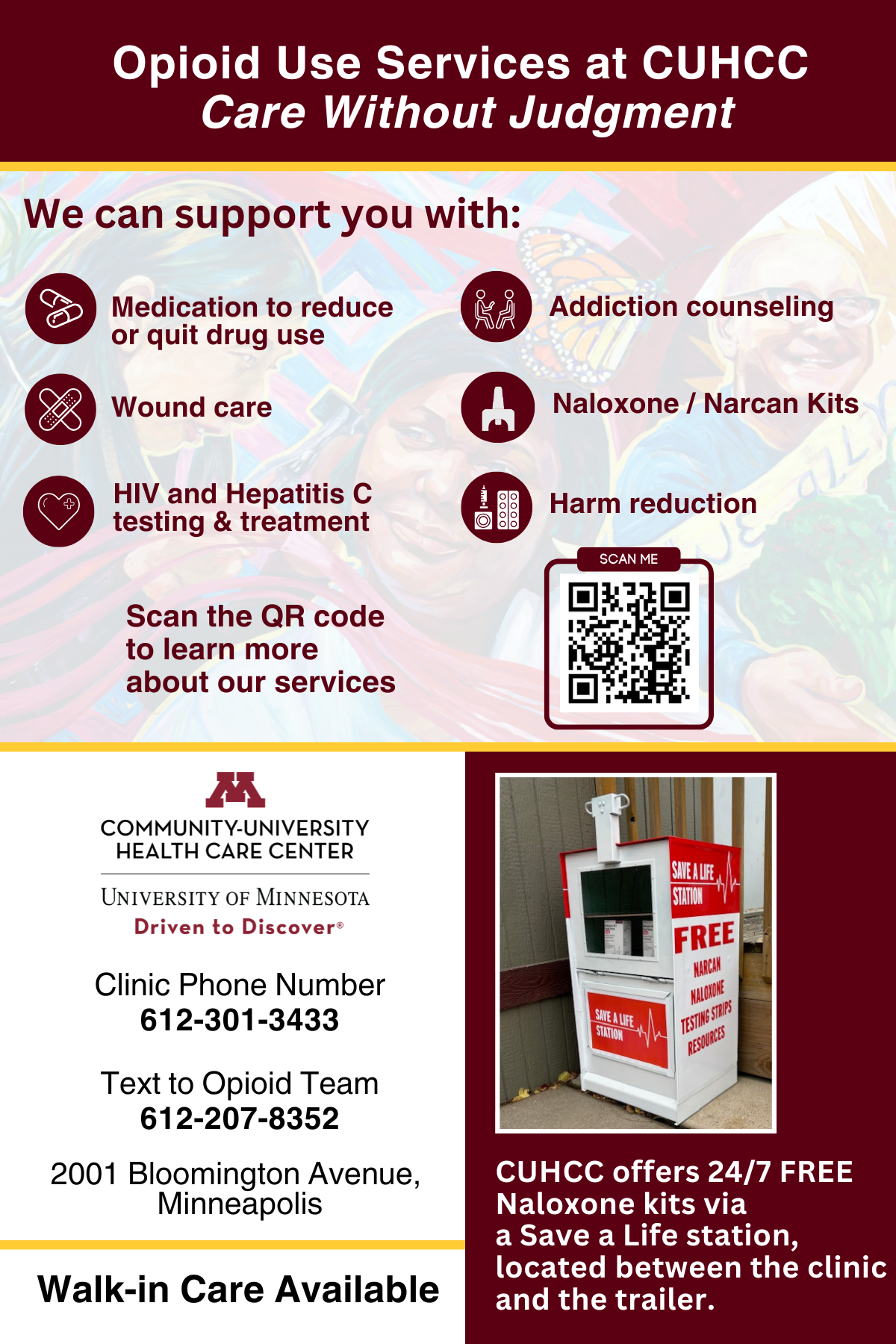
The Minnesota Indian Women’s Resource Center (MIWRC) and local community leaders and advocates are issuing a public safety alert to ensure the safety of our relatives—both unsheltered and sheltered—amid growing concerns of outside entities targeting vulnerable individuals with false promises of out-of-state substance use treatment.
“This is a public safety issue. It’s time the normalization of violence against one another comes to an end,”
Over the past several months, we have been made aware of multiple reports indicating that our unsheltered relatives who are in active addiction have been targeted, approached, and recruited by outside sources claiming they can transport them to treatment-filled facilities outside of Minnesota. While the exact number of individuals taken out of state is currently unknown, the pattern is alarming and requires immediate public awareness.
Native Americans make up a small percentage of the United States population, with overrepresentation in a number of public health areas such as premature death rates all in which are preventable, for example; homicide, overdose deaths, and suicide. Minnesota has existing in-state treatment facilities within Tribal and state lands which often face available capacity issues. These out-of-state transfers continue to raise serious concerns about transparency, legitimacy, and safety.… Read the rest “Community Safety Alert Issued Regarding Out-of-State “Treatment” Transfers”
Current Headlines
- Mayday Parade, Tree of Life Ceremony, and Festival coming to Minneapolis this May
- Renovation Set to Start Spring 2026 at South High
- Renter Support Fund is Excited to Announce Improved Grant Expansion
- Native American Community Clinic
- Agnes Frier: Unwanted? Or Family Couldn’t be Found?
- Pouring Gasoline on the Fire
- PWNO April ’26
- The Food Desert is Expanding
- EPNI Urban Farm Update: April ’26
- East Phillips Bike Repair Clinic
- Events April ’26
- East and Midtown Phillips April ’26
- Angela Conley April ’26 Update
- Neighbors Taken on January 7th
- Marty Supreme
- A Flash of Green
- Spirit of Phillips April ’26
- In Plain Sight
- No Fooling!
- Dear MAGA
- Part VI: Gallery of Loss and Light
Sections
Select a Subcategory...
category
69d1a45f4bf71
1
0
1004,1523,1534,988,1426,1516
Loading....


Keep citizen journalism alive!