News & Views of Phillips Since 1976
Monday February 23rd 2026


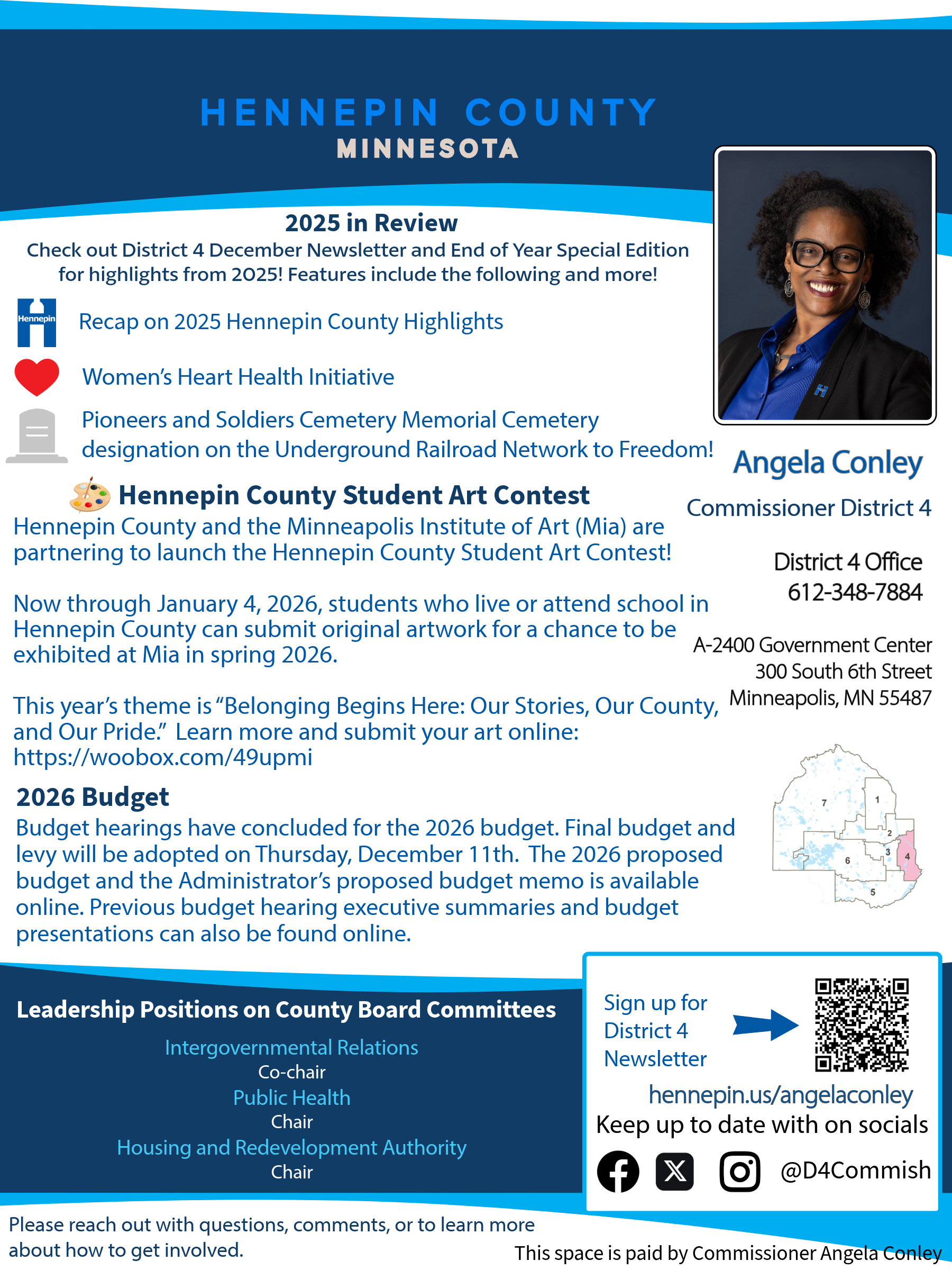



146th Memorial Day at Cemetery celebrated and mourned veterans
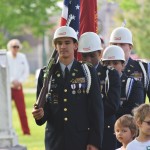
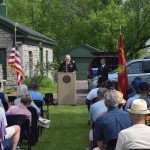
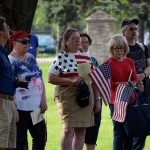
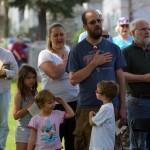
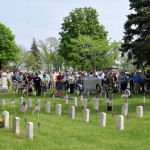
Colonel Hetherington spoke those words at the 146th Memorial Day gathering at Minneapolis Pioneers and Soldiers Memorial Cemetery. It was, as Memorial Day, is intended to be a day of both celebration and mourning. The achievements of the many who have served in the military were acknowledged against the backdrop of those who did not return to their family and friends. From the American Revolution to the present time over one million young men and women did not return.
There are about 200 veterans buried in Minneapolis Pioneers and Soldiers Cemetery. They did not die in combat but many of them died young, often from diseases or wounds that they contracted while in service.Â
Five new military markers acknowledge service of Civil War and Spanish-American War veterans
Last week four Civil War veterans and one Spanish-American War veteran received new military markers. Of those five markers, only one was a replacement, the rest other graves were marked for the first time. The five soldiers are: Corporal Benajah Benton (8th Regiment New York Heavy Artillery), 2nd Lieutenant C.… Read the rest “146th Memorial Day at Cemetery celebrated and mourned veterans”
Northern Orchards Places Near the Dead with author James Silas Rogers
 Book reading and signing
Sunday June 15th 2:00 PM FREE Admission at Pioneers and Soldiers Cemetery Ceadr Ave & Lake Street
James Silas Rogers will read from his latest collection of poems and essays. Journey with James to meet the living among the homes of the dead. You may recognize Rogers”' work from Garrison Keillor”'s “Writers Almanac”, and his creative nonfiction has been widely published. He also edits the New Hibernia Review, an Irish Studies quarterly published by the University of St. Thomas.
Related Images:
Immigration, Growth, Change and Community Maturity
By Harvey WinjeÂ
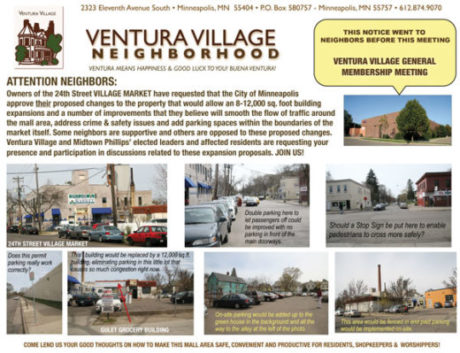
The large old bakery building on 24th Street between Elliot and 10th Avenues has been converted ino a “Mall” for retailing of about 100 small businesses. The need for such space apparently out-weighs the availability and so too the need for parking to accommodate customers.
The Mall owners have proposed expansion and some parking changes.
It has become a very controversial issue as it affects the lives of residents and visitors to other community places.
Ours is a community of immigration, innovation and change.
Coincidentally two old buildings in Phillips were bakeries owned eventually by the same company, Emrich Bakery, that grew including the buying of other family owned businesses, like Egekvist (founded by two Danish brothers) and McGlynn (founded by an Irish immigrant). One is at 2603 through 2619 Bloomington Avenue””owned by Basim Sabri. The other is at 920 East 24th Street-owned by brother to Basim, Omar Sabri.
Today those two buildings have been converted from bakeries to retail and service centers with one having had a newspaper office and press, beehive company, casket storage, housing contractor, county satellite probation office, and cabinet shop in intervening years.
The business office of one of the bakeries was in the house with its livery stable in the building behind for the horses that pulled the wagons of BAMBY Bakery on house delivery of the Best American Made Bread Yet.… Read the rest “Immigration, Growth, Change and Community Maturity”


Keep citizen journalism alive!