News & Views of Phillips Since 1976
Tuesday February 24th 2026





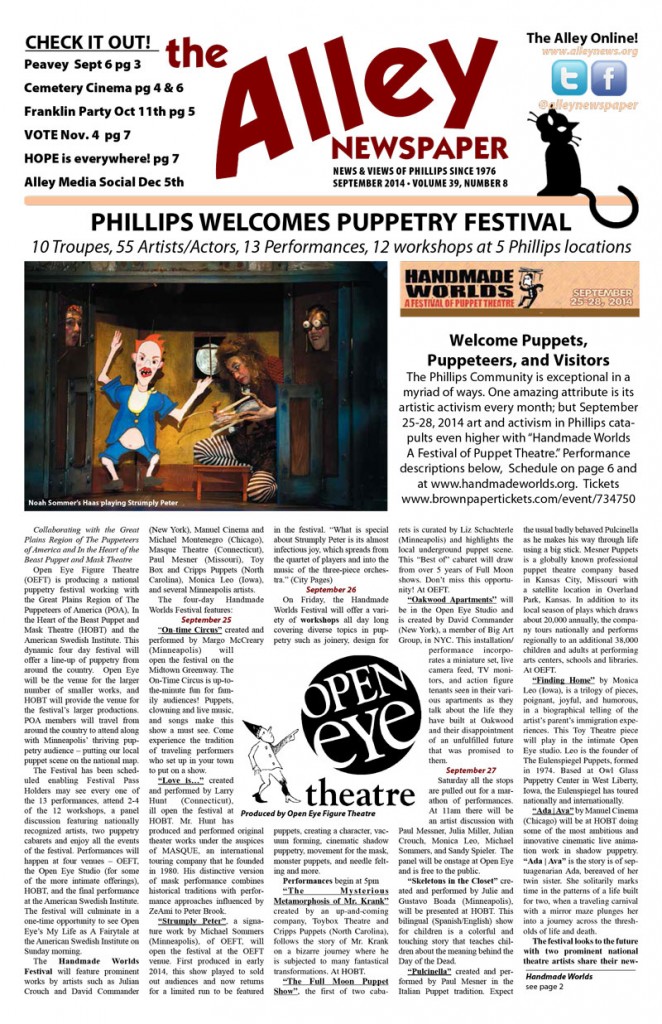
PHILLIPS WELCOMES PUPPETRY FESTIVAL 10 Troupes, 55 Artists/Actors, 13 Performances, 12 workshops at 5 Phillips locations
-
- Open Eye’s My Life as A Fairytale – Kimberly RIchardson
-
- Michael Montenegro – Giacco
-
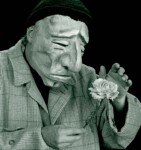
- Masque Theater – Larry Hunt
-
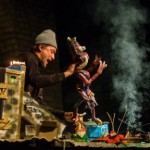
- Full Moon Puppet Show
-
- Julian Crouch
-
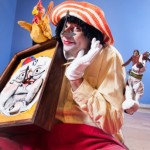
- Margo MeCreary’s On-TIme Circus
-
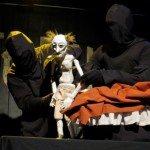
- Toy Box and Cripps Puppets
Welcome Puppets,
Puppeteers, and VisitorsÂ
The Phillips Community is exceptional in a myriad of ways. One amazing attribute is its artistic activism every month; but September 25-28, 2014 art and activism in Phillips catapults even higher with “Handmade Worlds A Festival of Puppet Theatre.” Performance descriptions below, Schedule on page 6 and at www.handmadeworlds.org. Tickets
www.brownpapertickets.com/event/734750
Collaborating with the Great Plains Region of The Puppeteers of America and In the Heart of the Beast Puppet and Mask Theatre
Open Eye Figure Theatre (OEFT) is producing a national puppetry festival working with the Great Plains Region of The Puppeteers of America (POA), In the Heart of the Beast Puppet and Mask Theatre (HOBT) and the American Swedish Institute. This dynamic four day festival will offer a line-up of puppetry from around the country. … Read the rest “PHILLIPS WELCOMES PUPPETRY FESTIVAL 10 Troupes, 55 Artists/Actors, 13 Performances, 12 workshops at 5 Phillips locations”


Keep citizen journalism alive!